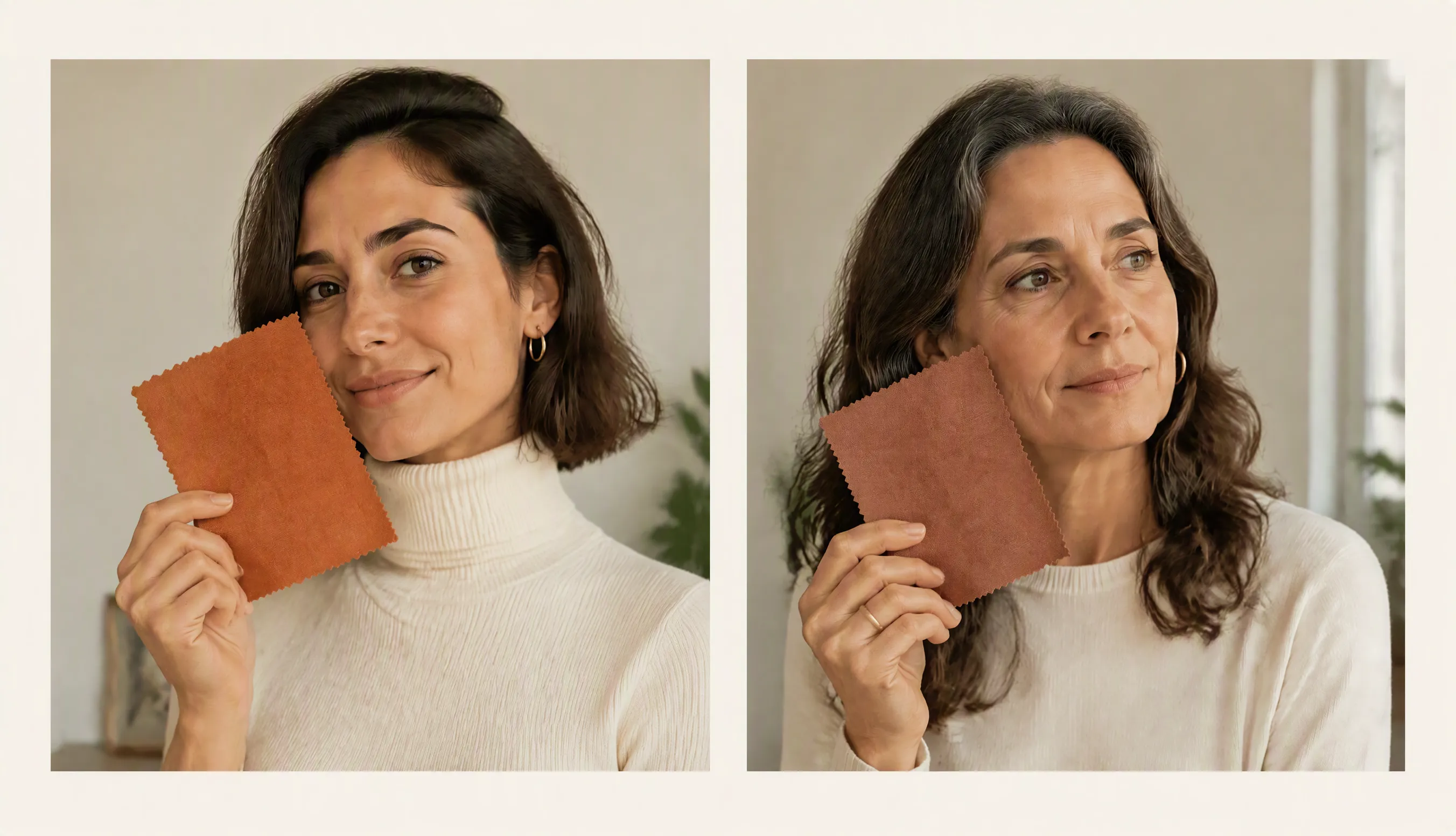
The question comes up constantly: someone gets their analysis done, feels confident in their result — and then a few years later something seems off. The colours that used to feel right feel slightly wrong. Or they go grey, or they dye their hair, or they spend a summer outdoors, and someone tells them they must now be a different season.
So does your season actually change? The answer requires separating three things that are easy to confuse: your undertone, your depth, and your contrast.
What Never Changes: Your Undertone
Your skin's undertone — the warm or cool base of your complexion — is determined by the pigments in your skin: haemoglobin, melanin, and carotenoids in their particular combination. This combination is genetic. It does not change in response to age, lifestyle, sun exposure, or anything else.
If you are warm-undertoned, you will always be warm-undertoned. If you are cool-undertoned, that is not going away. Your season lives on one side of the warm/cool line, and that line does not move.
This matters because the most fundamental question in colour analysis — warm or cool? — has a permanent answer. The season families (Spring and Autumn for warm; Summer and Winter for cool) are not going anywhere.
What changes is everything else.
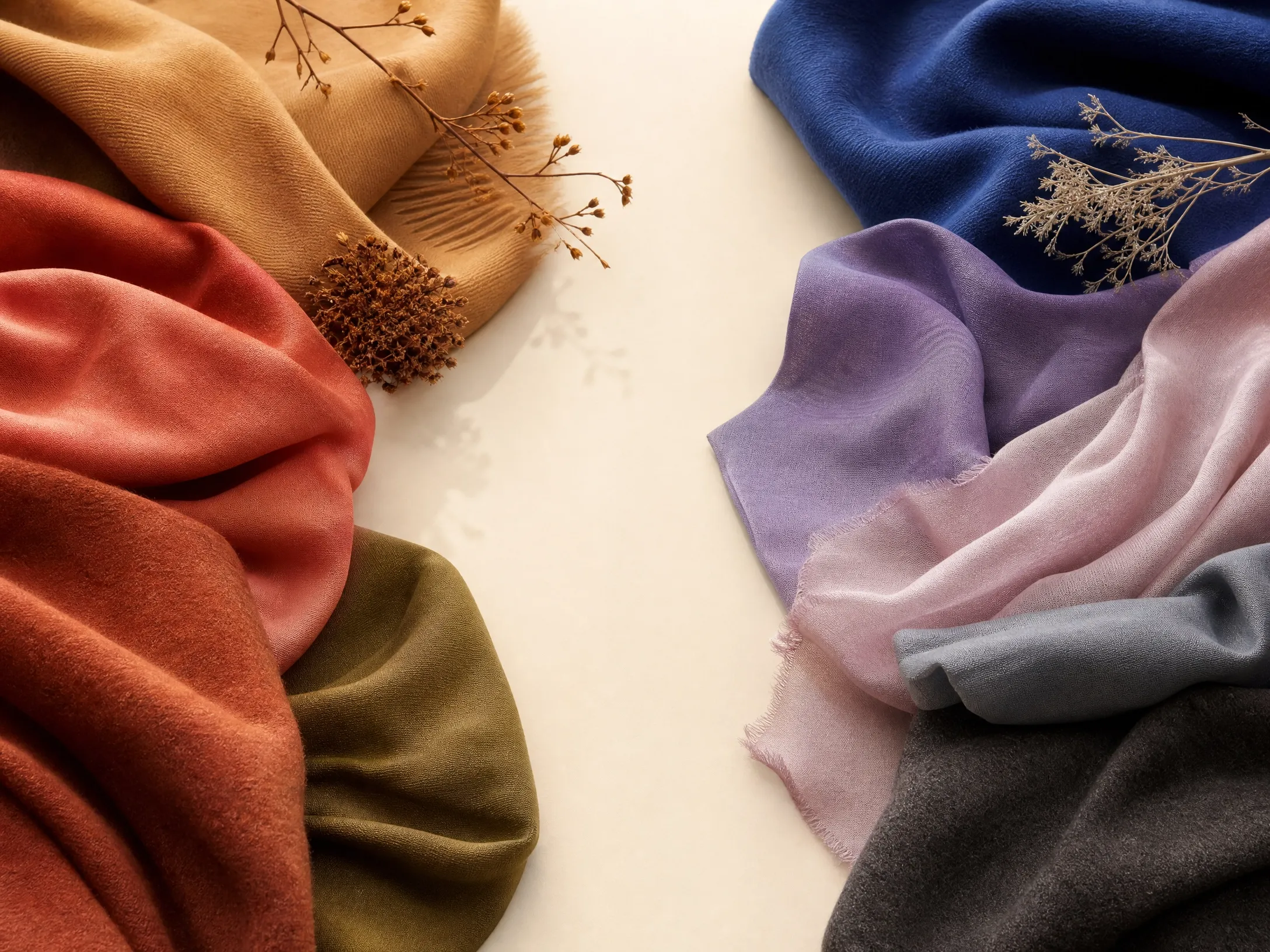
What Does Change: Depth and Contrast
Depth — how light or deep your overall colouring is — shifts considerably over a lifetime.
Fair skin often deepens slightly through the twenties and thirties due to sun exposure and the gradual accumulation of melanin. Some people who were clearly Light Spring at twenty find themselves closer to True Spring by their mid-thirties.
Hair darkens naturally from childhood through early adulthood, then lightens again in middle age as melanin production slows. A child who was Light Spring may shift toward True Spring as an adult, and shift back toward something lighter as they grey.
Greying is the most significant natural change. As hair loses pigment, overall contrast between hair and face typically drops. A True Autumn with warm brown hair may find that silver-grey hair places her closer to Soft Autumn territory — same warm undertone, lower overall chroma and depth.
Contrast — the difference in value between your hair and skin — can drop dramatically with age, shifting someone from the more vivid end of their season toward the softer end.
The Hair Dye Question
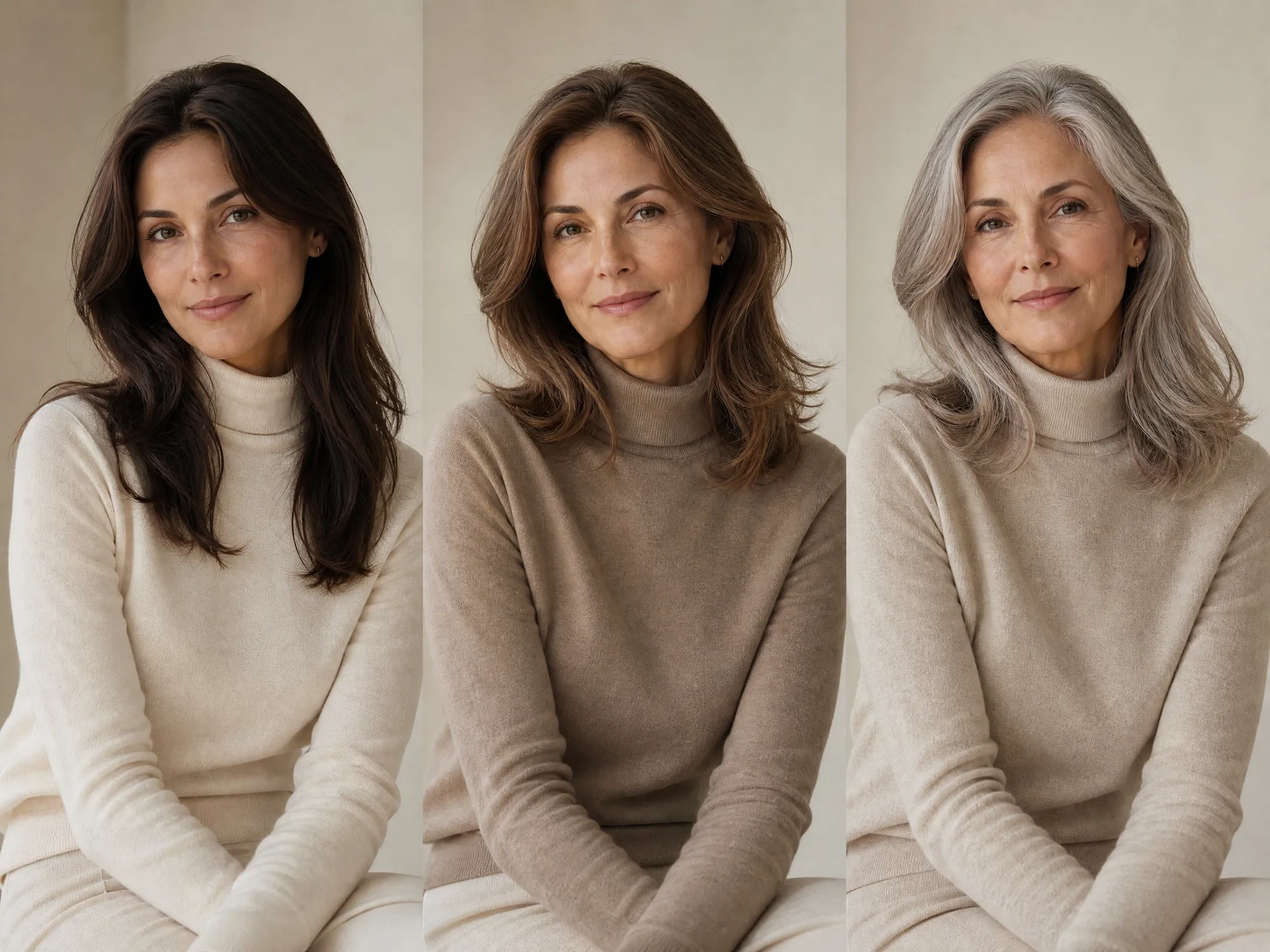
Dyed hair does not change your season. Your season is determined by your natural colouring — skin, iris, and natural hair pigment. Hair dye changes the visual impression of your colouring without altering any of the underlying factors.
What this means practically: if you dye your hair warm caramel when your natural hair is ash brown, you will look better in the warm colours of your dyed hair's season — but your season has not changed. You are temporarily wearing the wrong hair colour, and the colours that suit it may not be the colours that suit your actual undertone.
This is one of the most common sources of confusion in self-analysis. People assess themselves after colouring their hair and get a result that reflects the dye rather than their skin and iris.
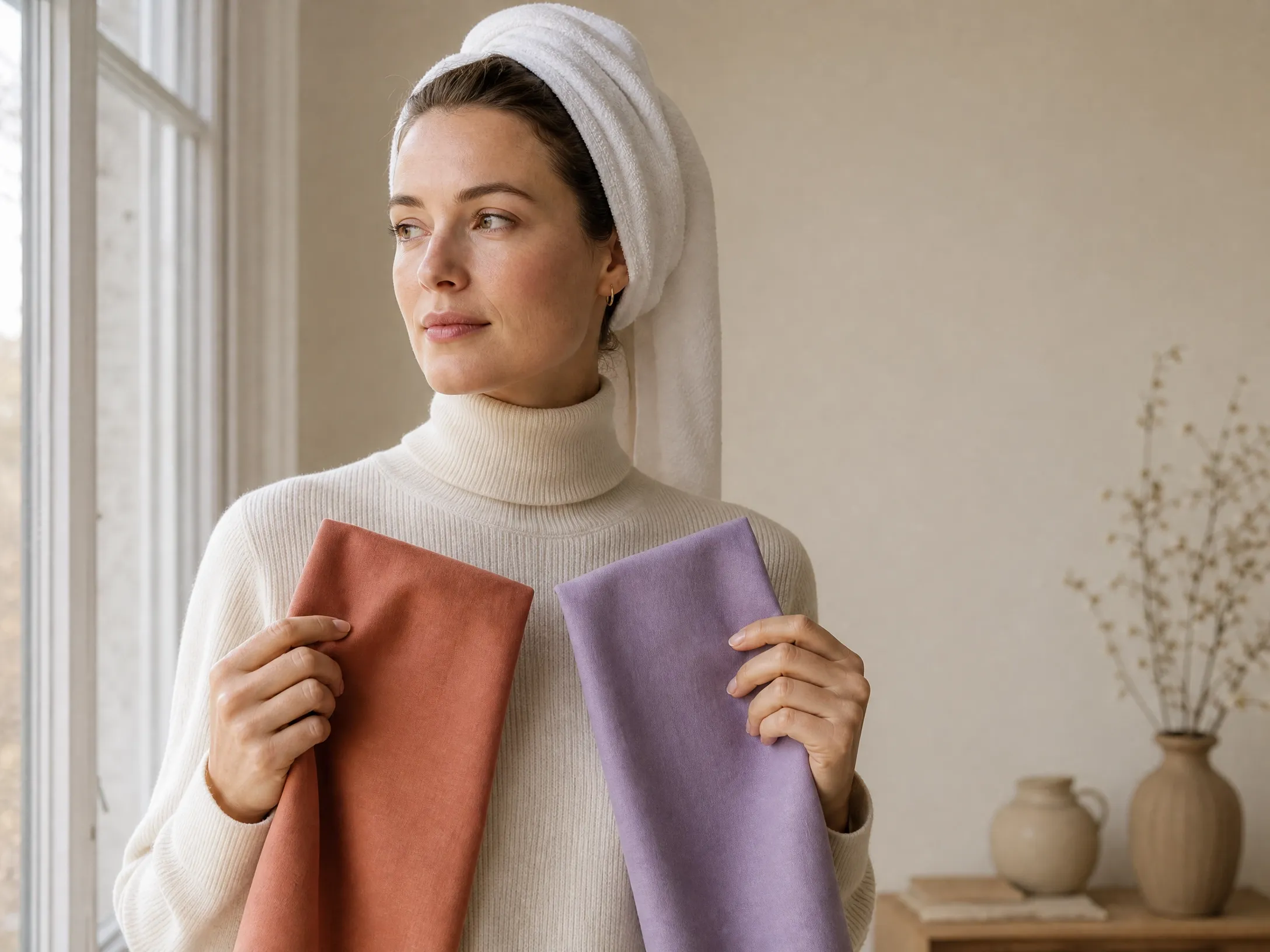
For accurate analysis, either assess against your natural hair, cover dyed hair with a white towel, or weight your iris and skin assessment more heavily than hair colour.
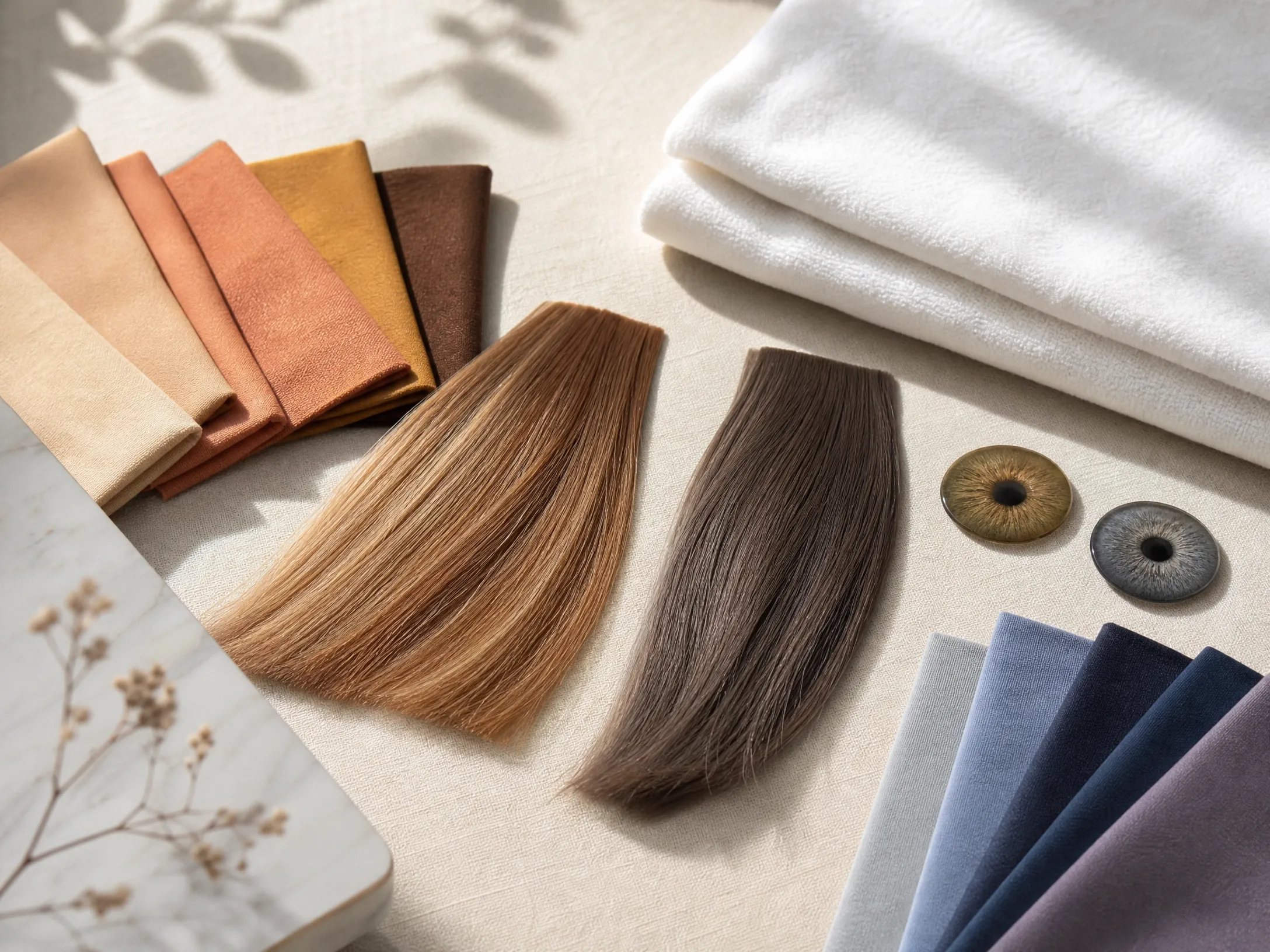
What a Season Shift Actually Looks Like
A true seasonal shift — where someone's actual best season changes — is always within the same temperature family. A warm-undertoned person does not become a cool-undertoned person.
What can happen:
Depth shift within family: A Deep Autumn at forty whose hair is now silver-grey may find that Soft Autumn or True Autumn palettes now serve her better than the richest, deepest end of the Autumn range. The undertone is unchanged; the depth has dropped.
Contrast-driven shift: A Bright Winter with high-contrast dark hair and very fair skin may find that as hair lightens with age, True Winter or even Deep Winter palettes feel more accurate — still cool, still relatively clear, but the extreme high-contrast quality is no longer the defining feature.
Sub-season drift: The most common shift is not between the four main season families but between sub-seasons within one family — True Spring to Light Spring, True Autumn to Soft Autumn, True Winter to Bright Winter and back. These are small refinements, not wholesale changes.
How to Tell If Your Season Has Actually Shifted
The test is always the same: go back to basics. In natural light, without makeup, with your hair covered or pulled back:
- 1.Do warm or cool colours still respond better against your skin? (Undertone — should be unchanged)
- 2.Has your overall depth — skin and iris together — shifted lighter or deeper?
- 3.Has your contrast level dropped or increased?
If your undertone answer is unchanged but your depth and contrast have moved, you may have drifted within your season family. That is a recalibration, not a new season.
If you feel your undertone has reversed — you were warm and now feel cool — suspect either a lighting or methodology issue. Undertone does not reverse. More likely, something in your environment, makeup, or hair colour has introduced a misleading variable.
The Short Answer
Your underlying season — defined by your warm or cool undertone — does not change. What changes over a lifetime is depth and contrast: how vivid, how light, and how high-contrast your overall colouring is. These shifts can move you between adjacent sub-seasons within your family, or adjust how far into the vivid or muted end of your palette you sit.
Grey hair, aging skin, and sun exposure are real variables. But they refine the season, they do not replace it.
→ Find your current season at inmycolors.com
Colour analysis methodology draws on the seasonal colour system as developed through Carole Jackson's Color Me Beautiful (1980) and the 12-season extension developed by subsequent practitioners including Kathryn Kalisz.